At GI Center of California, our board-certified gastroenterologists deliver compassionate, state-of-the-art care to the Koreatown and greater Los Angeles community.
Convenient in-office lab services including H. pylori breath testing and FibroScan for non-invasive liver disease assessment — faster results without separate appointments.
Outpatient procedures performed at our AAAHC-certified ambulatory surgical centers, meeting the highest national standards for patient safety and quality care.
We accept most major insurance plans. Please call our office to verify your coverage.
Our team of experienced gastroenterologists is dedicated to providing the highest standard of digestive care.
We proudly serve our diverse community with multilingual staff fluent in English, Korean, and Spanish.
Five convenient locations across Los Angeles, including two endoscopy centers close to you.
GI Center of California
At GICC, we are dedicated to delivering exceptional healthcare with compassion and expertise. Serving the Koreatown and Los Angeles community for over 20 years, our mission is to enhance the digestive health and overall well-being of our patients through state-of-the-art medical care, patient education, and a commitment to excellence.
We work with a wide range of insurance providers to make quality GI care accessible to our community.
Gastroenterologist · GI Center of California
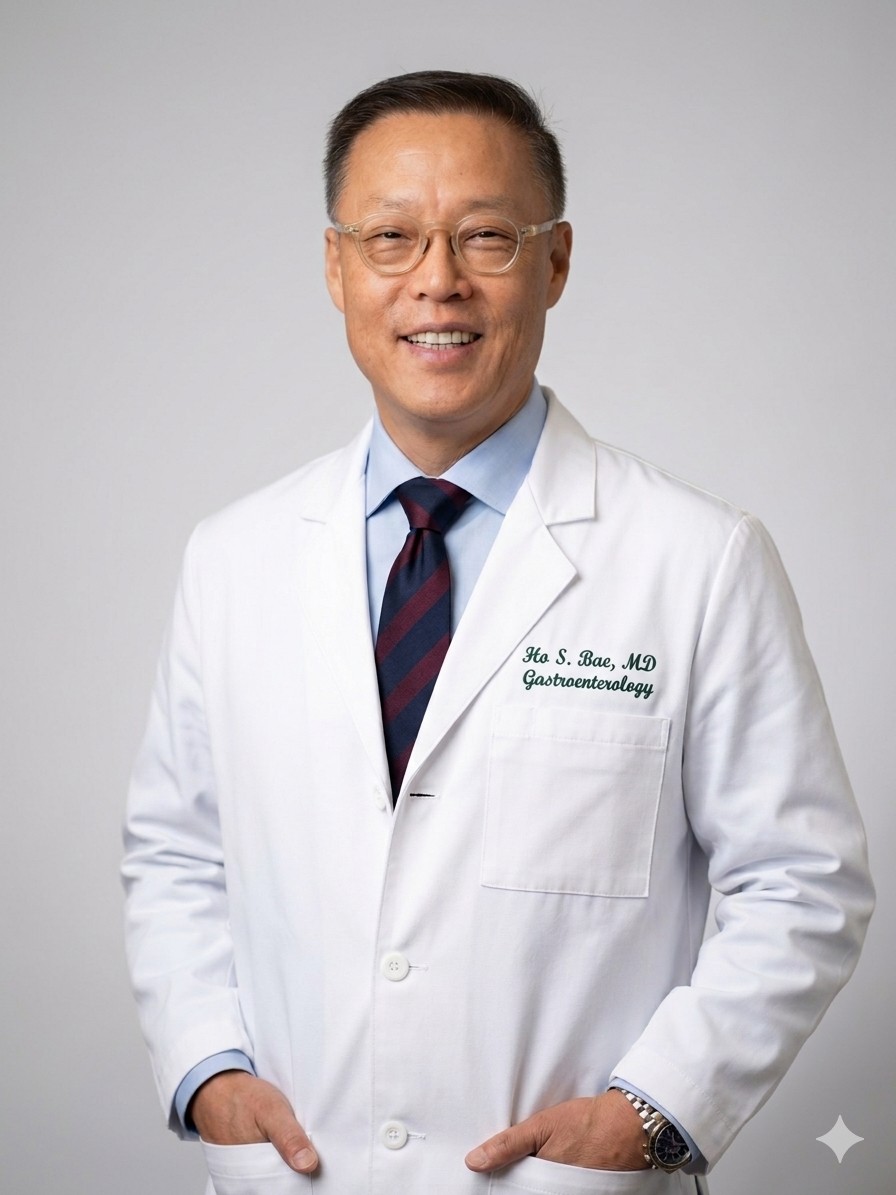
Ho Bae is the founder of GI Center of California and has dedicated his career to serving the Korean and greater Los Angeles community. With an extensive background in Hepatitis B and liver disease, he brings a depth of expertise in hepatology that is especially vital to the communities GICC serves. He performs a full range of diagnostic and therapeutic endoscopic procedures and is committed to early detection and prevention of gastrointestinal conditions, including colorectal cancer and liver disease.
Gastroenterologist · GI Center of California
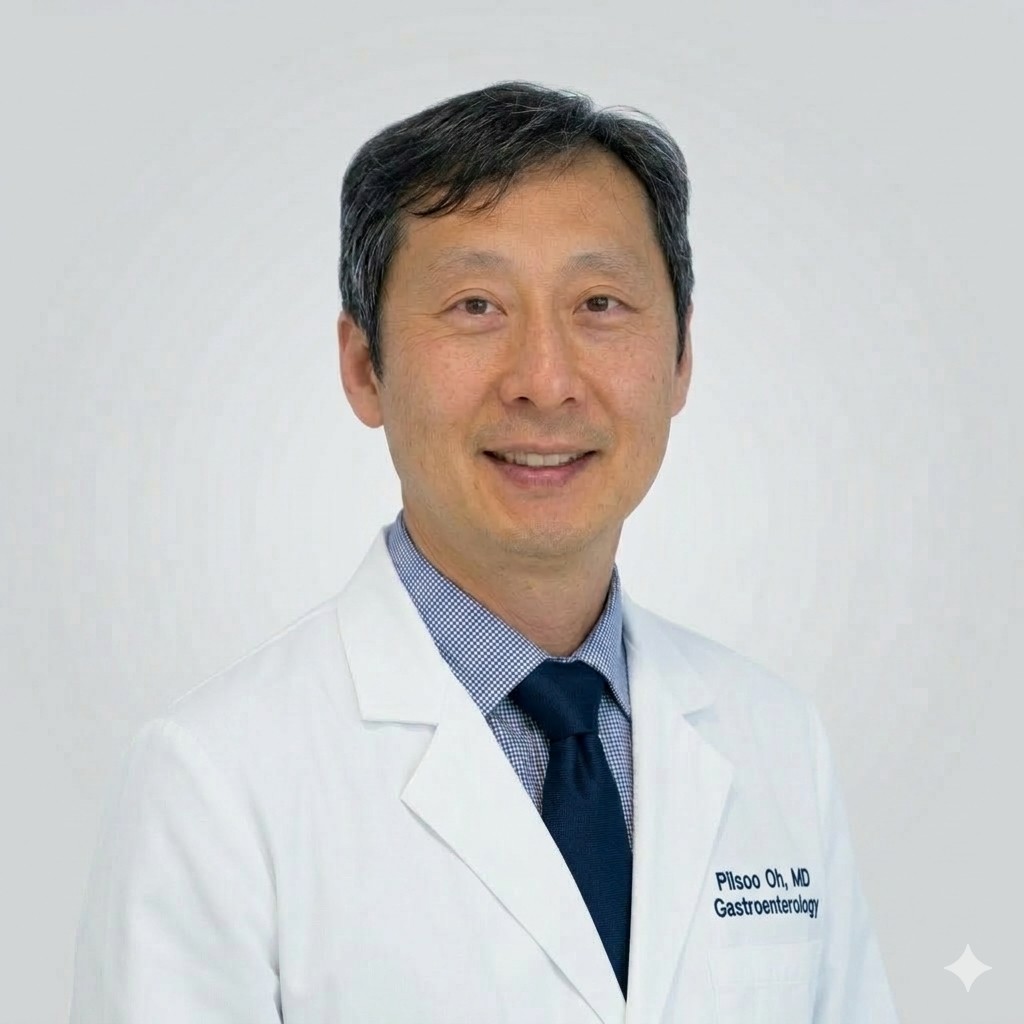
Pilsoo Oh is a Managing Partner of GI Center of California. A board-certified gastroenterologist, he specializes in the diagnosis and management of gastrointestinal and liver diseases. Known for his thorough approach and dedication to his patients, he works closely with each individual to develop personalized, evidence-based treatment plans while helping lead the continued growth of GICC.
Gastroenterologist · GI Center of California
Andrew Kim is a board-certified gastroenterologist dedicated to delivering high-quality digestive health care throughout Los Angeles. With expertise in advanced endoscopic techniques, he focuses on accurate diagnosis and effective treatment of GI conditions, with special emphasis on preventive care and early cancer detection.
Gastroenterologist · GI Center of California
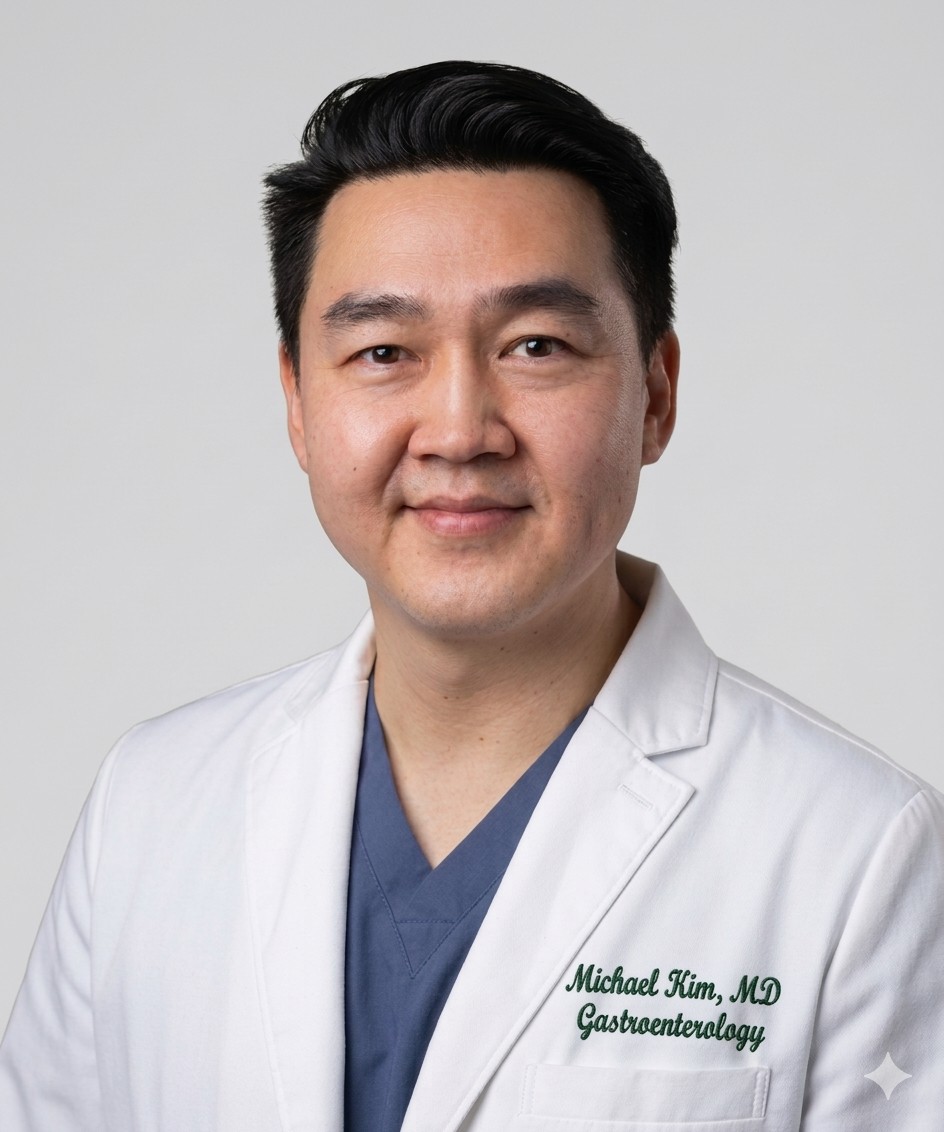
Michael Kim is a board-certified gastroenterologist with a compassionate approach to patient care. He is committed to the early detection and treatment of gastrointestinal conditions, helping patients achieve better digestive health outcomes across the GICC network of locations.
Nurse Practitioner · GI Center of California
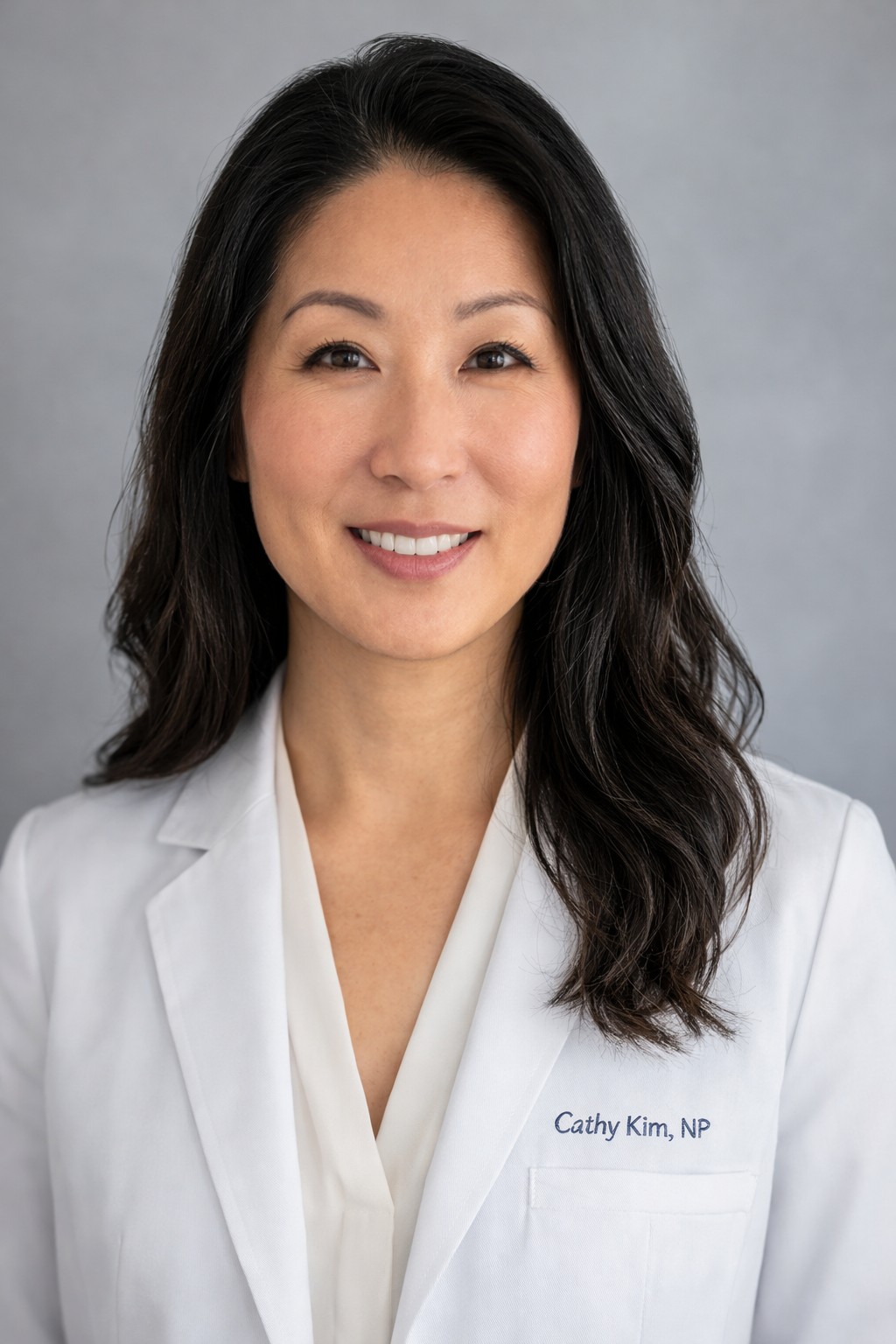
Cathy Kim is an experienced nurse practitioner with an extensive background including ICU/critical care and hospitalist medicine, bringing a uniquely broad clinical perspective to the care of GI patients with complex, multi-system conditions. Cathy provides inpatient services at CHA Hollywood Presbyterian Hospital, delivering focused, high-quality care to hospitalized patients.
Nurse Practitioner · GI Center of California
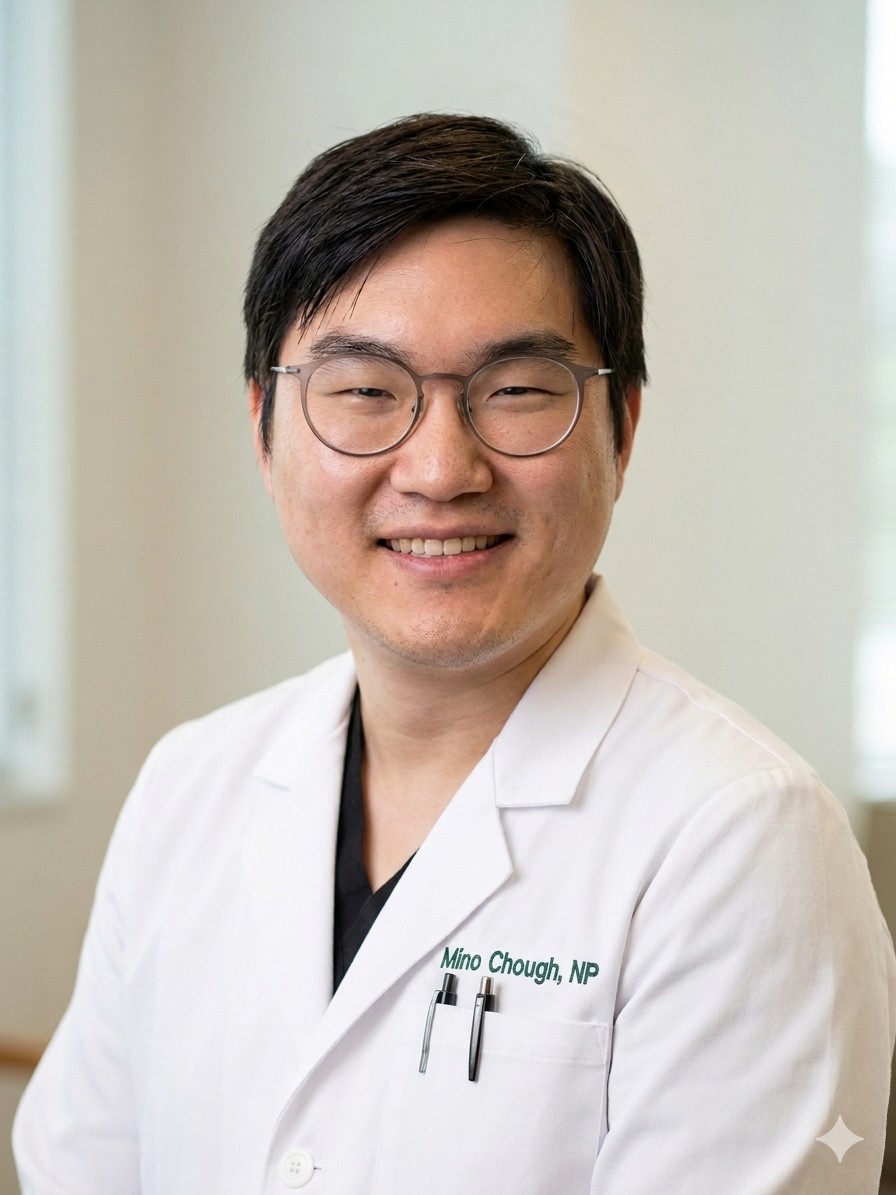
Mino Chough is the newest member of the GI Center of California team, bringing fresh expertise and a strong commitment to patient-centered care. With specialized background training in geriatrics, Mino brings a unique perspective to the care of older patients with complex GI needs. Working closely alongside our gastroenterologists, Mino ensures each patient receives thorough evaluations and compassionate, personalized care from their very first visit.
Five convenient locations across Los Angeles, including two endoscopy centers.
Esophagogastroduodenoscopy — a visual exam of your upper digestive tract
An upper endoscopy, also called an EGD (Esophagogastroduodenoscopy), allows your gastroenterologist to directly examine the lining of your esophagus, stomach, and the first portion of your small intestine (duodenum). A thin, flexible tube with a camera is gently passed through your mouth. The procedure is quick, performed under sedation, and is one of the most common and safe procedures in gastroenterology.
Your doctor may recommend an upper endoscopy to evaluate or treat the following conditions:
The gold standard for colorectal cancer screening and lower GI evaluation
A colonoscopy is a procedure that allows your gastroenterologist to examine the entire lining of your large intestine (colon) and rectum using a long, flexible scope with a camera. It is the most effective screening tool for colorectal cancer — the third most common cancer in the United States — and can detect polyps before they become cancerous. When polyps are found, they are often removed during the same procedure.
Endoscopic Retrograde Cholangiopancreatography — diagnosis and treatment of bile duct and pancreatic conditions
ERCP (Endoscopic Retrograde Cholangiopancreatography) is an advanced, specialized procedure that combines endoscopy and X-ray imaging to diagnose and treat conditions of the bile ducts, gallbladder, and pancreas. A flexible scope is passed through the mouth and guided to the small intestine, where dye is injected and X-ray images are taken of the ducts. ERCP is both a diagnostic and therapeutic tool — meaning problems found during the procedure are often treated in the same session.
A targeted exam of the rectum and lower colon — quick, with minimal preparation
A flexible sigmoidoscopy is a procedure that allows your gastroenterologist to examine the rectum and the lower portion of your colon (the sigmoid colon) using a short, flexible tube with a camera. It is similar to a colonoscopy but examines only the last two feet of the colon. It requires much simpler preparation — typically just one or two enemas — and can often be performed without sedation, making it a convenient option for evaluating lower GI symptoms.